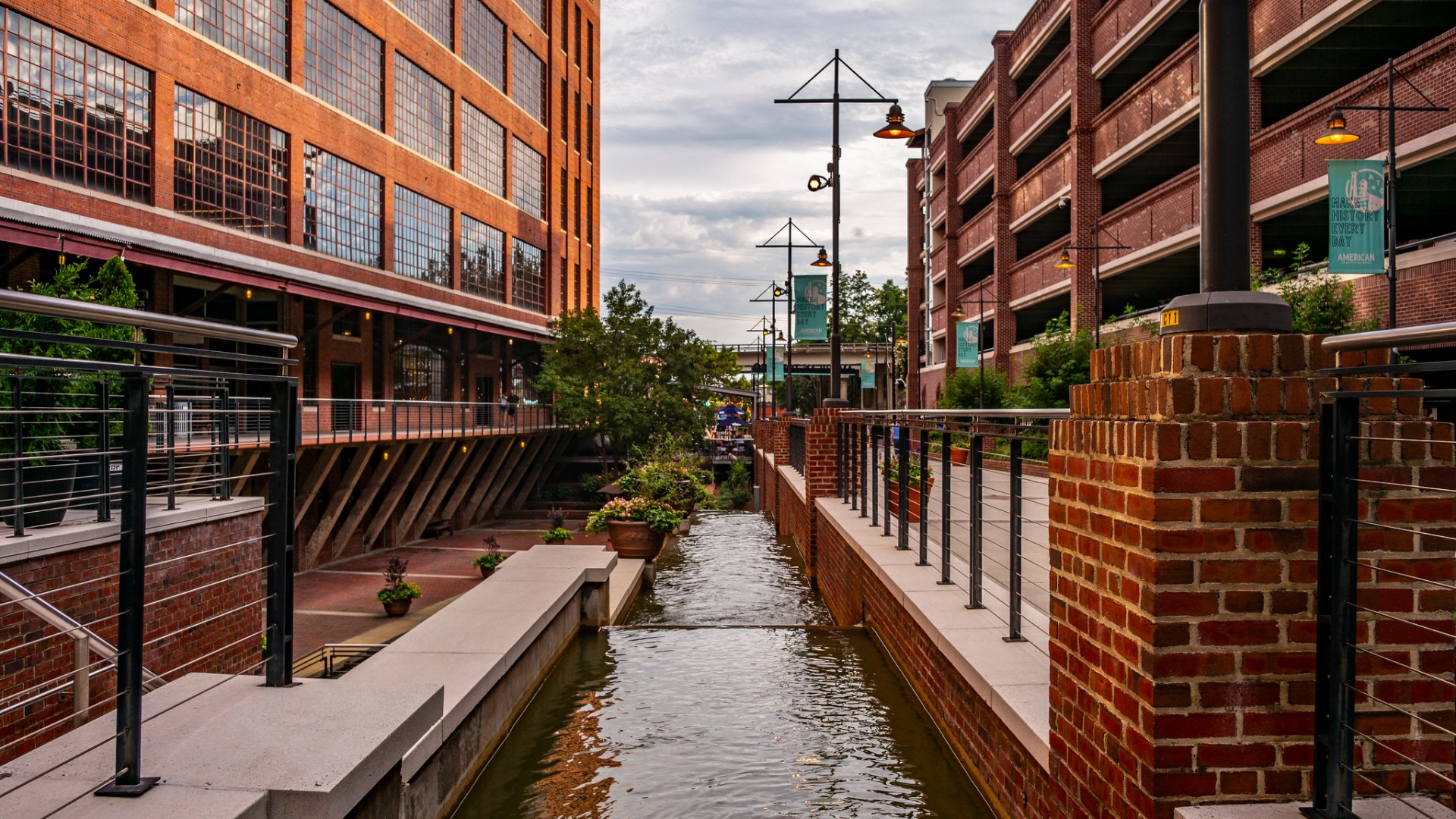
I do not use this combination nearly enough.

As stated previously this is a very flexible lens.
- Great performance-to-price ratio.
- Very sharp.
- Very small.
- Built like a small throwing weapon.
- Purdy.
While meant for and working well as originally intended, on M mount cameras, it is an excellent fit for adapting also. No different than any M mount glass arguably. But this lens does have a significant adapting perk. Close focus performance if using a helicoid adapter.


Significantly closer than a rangefinder due to the mechanical nature of rangefinder focusing. Why didn’t I mention AF with the TECHART LMEA7 as a perk? Because this is a lens that lends itself very well to zone focusing thanks to its wide focal length and f/5.6 maximum aperture.
The day that inspired me to write this post I set it up at f/8 to focus from 4m to infinity.
But that is why I do not think of using this lens with the M 240. If the M 240 is, as I have previously stated, all about the rangefinder… why choose a lens that will not make use of it? Welp.
- While I would have rolled my eyes in the past at the notion there is something to be said about the Leica’s IQ.
- For reasons I cannot fully grasp I shoot differently when using a rangefinder form factor.
- Looks good together…

What? That matters. To me anyway.
I have discussed the camera over a few posts…
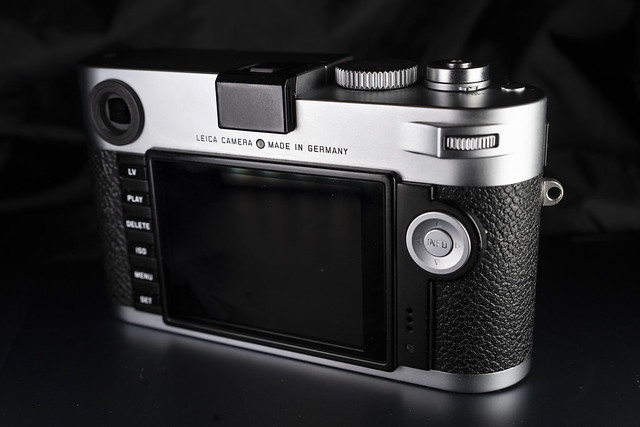
…with a review series.
This post is another in the Scenes Seen series. It is a close cousin to my Analog Therapy posts. It helps me cope with life. That is one of my favorite things about photography. It benefits one to slow down, stop, park, and get out and about even.
Before I get to the 28mm I have some captures from earlier in the week with other lenses.


7Artisans 50mm f/1.1 (Continuation from a film post that day.)


On to the main lens of this post.
TTArtisans 28mm f/5.6


Another digital vintage therapy success story.
-ELW

 Eric L. Woods