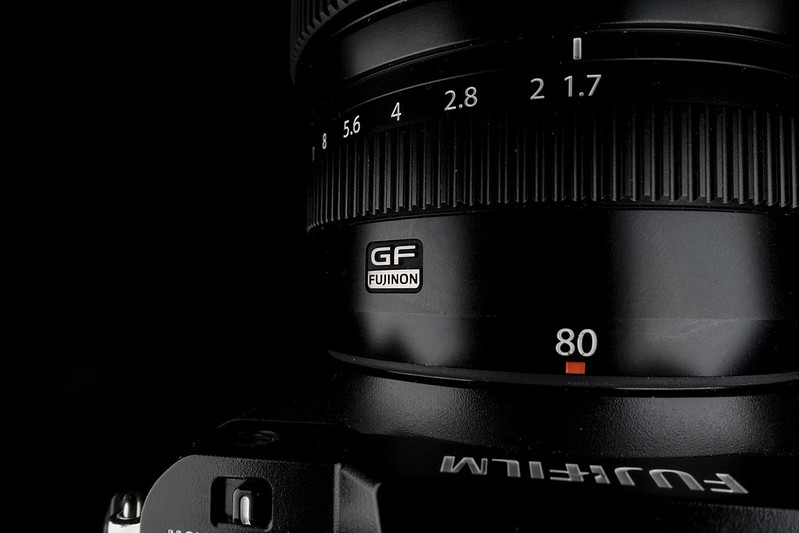
The Fujifilm GFX 100RF: A Lovely Camera & Some Thoughts About A Lens.
Subtitle 1: A lens made up my mind in the end.
Subtitle 2: Life has been lifing overtime lately, 2026 gets 0 stars so far, and this is an overdue distraction.
Nonsense rambling about cameras no one needs ahead.
As more time has passed, I have more thoughts about the GFX 100RF.
As I have said with other cameras, like Leica M mount cameras, for instance, if you want a GFX 100RF…

…then get a GFX 100RF.
I get it. Personally, I was drawn to the look and feel. It is gorgeous and in hand…

…it feels like finely crafted jewelry. A lovely experience.
But functionally?
There are other options I prefer. If 100MP is a must, and I’m a fan of the focal length and aperture, but I’m willing to give up the fixed lens and looks, I would prefer a GFX100S and a GF 50mm f/3.5.
Not only is this combination less expensive…
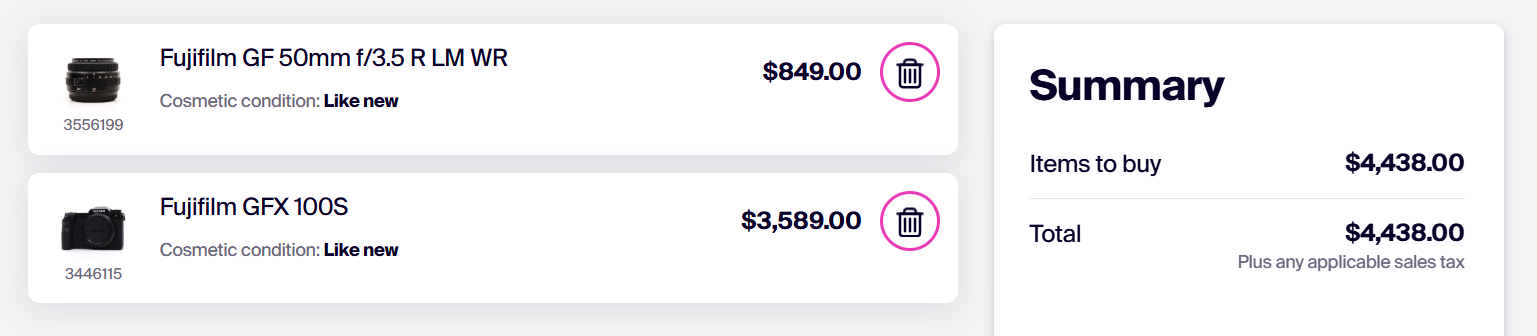
…it also brings benefits.
- IBIS.
- The ability to change lenses.
- The tilt screen offers another angle of articulation.

And if I were looking for a fixed-lens premium experience, I would go for its older, smaller sibling.

And while one would give up sensor size and MP count, there are advantages.
- IBIS… that again.
- Price… naturally.
- Smaller.
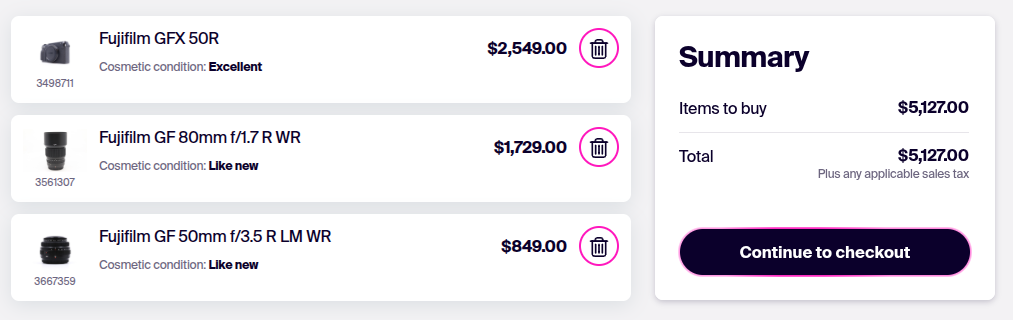
If I wanted to split the performance/aesthetic difference, I would be tempted by the GFX50R and GFX 50mm f/3.5…

…for significantly less.
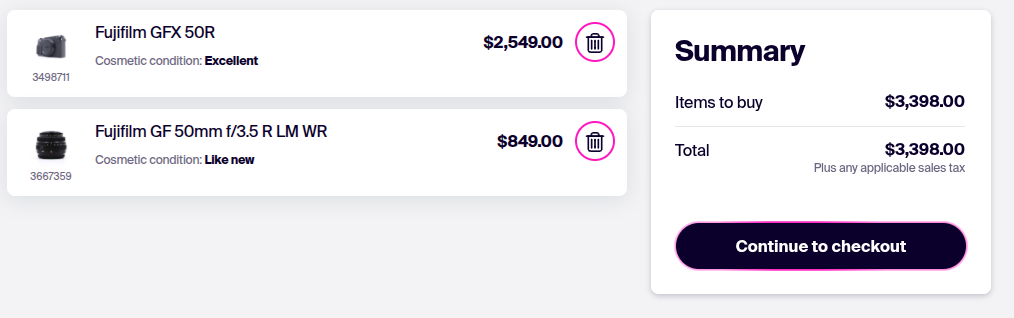
If I were really attracted to the rangefinder-ish GFX100RF, this is what I would likely land on.
No. It is not as good loooking as the GFX100RF. Not many cameras are. But close enough for me.

Interestingly, it shares an omission with the GFX100RF. No IBIS. But similar to the GFX100RF, after my testing, that is not as much of a negative as some make it out to be. If care is taken one can do just fine without IBIS.
“What of the lower resolution?” one might ask… But why? Here in reality land 50MP is more than enough resolution.

I argue that 50MP makes more sense for an everyday camera.
What of the GFX50R having no phase detect AF like the GFX100RF?
I have found that this is not as much of an issue as I thought it would be. As good as the phase detect GFX bodies? No. But it does fine most of the time.

If you do not require the rangefinder aesthetic, there is the even less expensive and functionally identical GFX 50S.
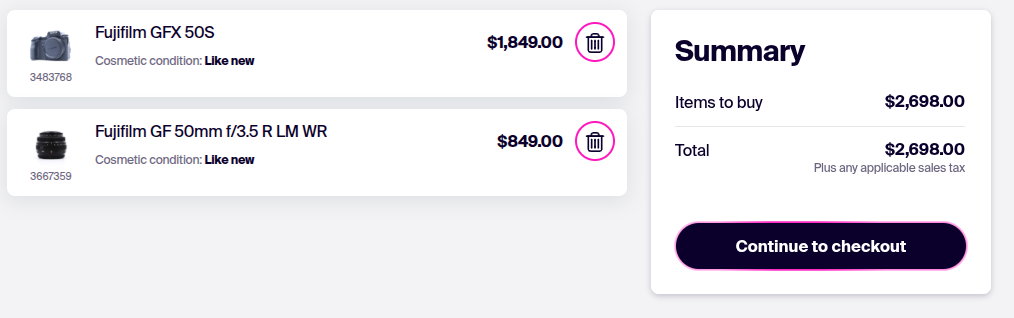
Spend a bit more for the GFX 50SII to add IBIS and eye tracking.
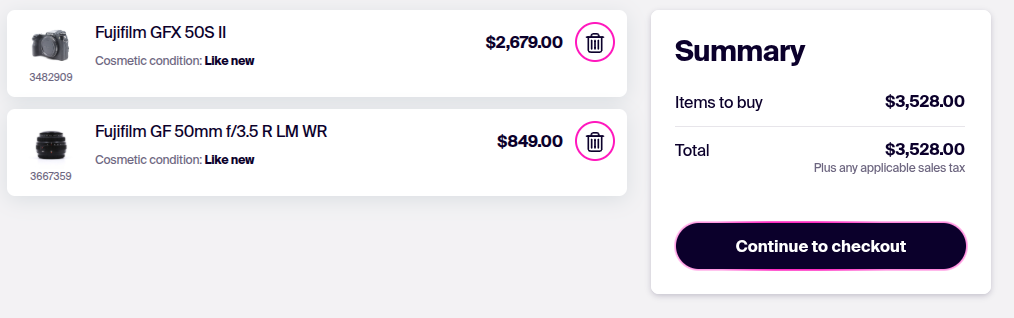
You can add a quite special lens and still spend $400 less than the GFX 100RF.
Spend a little more than the GFX 100RF, and you can secure the technically superior GFX 100S and two lenses.
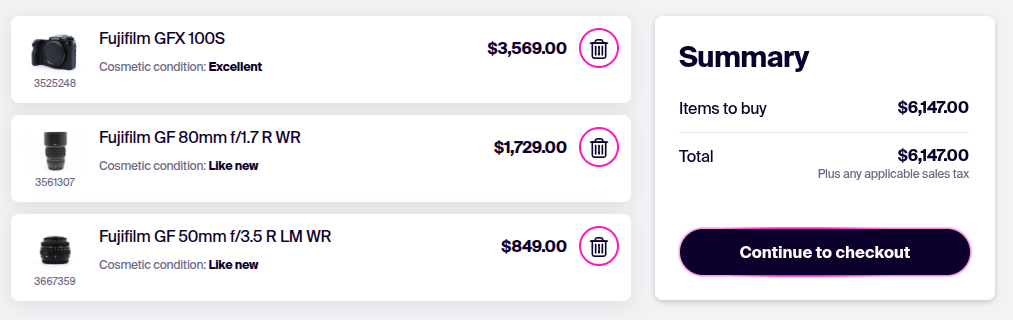
And that second lens is very special. It alone stands as justification for getting an interchangeable lens GFX body over the GFX 100RF.


So, in the end, a lens settled it for me. Having tried this lens…

…if I have a GFX body, I must have access to this lens.
So to recap.
What did the GFX 100RF in was not another GFX body. It was a lens. An amazing one.

This is the most impressive lens I have ever used. The most practical? No.
That would be something like the precious.
The GF 80mm f/1.7 is the most special, though. It does all of the special things.
- Sharp.
- Lovely bokeh.
- Fantastic colors.
- About the best subject isolation available from any digital camera and AF lens.
No matter the spec or camera brand provenance, there is no lens I would rather use for portraits.
To be clear…’
This is a personal opinion.
If the GFX 100RF is the camera for you, Godspeed. Enjoy.
But it is a GF lens that won me over in the end.

My recommendations?
- If you are getting only one GFX body, before you commit to a fixed lens GFX 100RF, I recommend giving some other GF lenses a try first. It may change your mind also.
- If you must have a fixed lens Fujifilm camera I recommend giving the excellent X100VI a try.


Happy capturing.
-ELW

 Eric L. Woods
One Reply to “The Fujifilm GFX 100RF: A Lovely Camera & Some Thoughts About A Lens.”
Comments are closed.