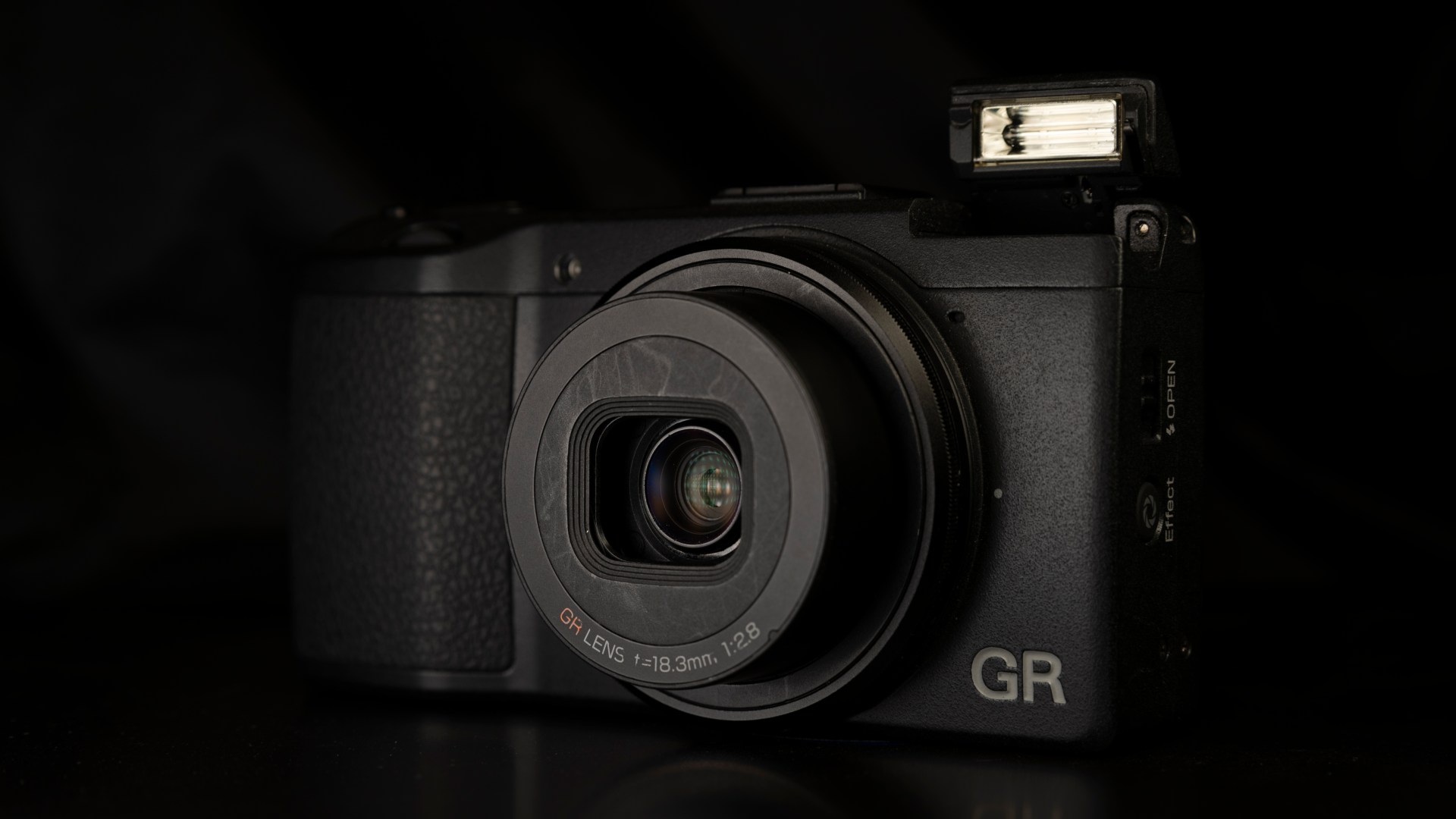
2023 Update: Will leave all text below from an earlier 2022 post intact as it still stands. But there is a caveat. A sticky shutter has appeared.
It took a beat to figure out what was happening. A dark frame would appear for my first no look snap focus photo. But then all would return to normal. That is until it was powered on again and the same behavior would repeat. What I realized was that the shutter now sticks on power up but it is remedied by pressing the shutter. After a brief Google fit, I saw that this is a known issue. At first I was quite irked by this. But at least the camera could still be used.
I researched repair options and they were not great. In short, you could spend a healthy sum just to get it looked at unsure that you will get a functioning camera back once they tear it apart or risk an unreasonable sum to get it repaired. At first, I was on board, until I remembered… Technically it still works.
Now instead of powering on being a one press affair it is a two press affair. Press the power button immediately followed by a shutter press and you are ready to go. It does take away a key advantage of this camera. Near instant readiness from a cold start. But all of the other perks mentioned below still stand.
Another option was to buy a newer unit. But just like a potentially exorbitant repair bill, this is a lot of spend to address a camera that still technically works.
It would bother me more if I used this camera every day, but I do not so it does not.
So for right now, I am standing down. Two press workaround for me.
Just factor in the risk of a future sticky shutter if you are looking at the first gen GR.
Original text below.
As I stated in my last post on this camera, I have always wanted one. Too little time with one took a bit off of the allure during a compact camera comparison years ago.

Having spent more time with the GR I now realize that I had missed the plot. I used the GR like a normal camera.
What am I on about?
EVF Bias
For starters, I had a hard time getting around not having an EVF in theory. As such, I viewed the RX100 IV as superior on paper. But here is the thing. Lean in a little… <Looks both ways quickly.> In practice I greatly disliked the RX100 IV’s pop up EVF. Why? It’s fiddly to deploy, feels dainty on such a small camera and I never used it. The recently traded on Sony ZV1 did not have an EVF either and I did not miss it at all on that camera.
Tilt screen bias
For starters, (You will soon notice a pattern here.) I had a hard time getting around not having a tilt screen. As such, I viewed the RX100 IV as superior on paper. But here is the thing. Lean in a little… <Looks both ways quickly.> With more time spent, in practice, I have really warmed up to the simplicity of a little bricklet all in one camera. But what of framing for AF?, you might ask. More on that below.
Zoom lens bias
For starters, (You see what I mean now?) I had a hard time getting around a fixed lens camera. Thought the flexibility of a zoom lens would be superior. As such, I viewed the RX100 IV as superior on paper. But here is the thing. Lean in a little… <Looks both ways quickly.> With more time spent… Nah. I eventually realized whether a lens is fixed or interchangeable I prefer a prime over a zoom. In addition to the optical superiority in this case it makes for a more compact solution in use and less time waiting for the lens to deploy.
IBIS bias
For starters, (Getting old, but I have committed to this now.) I had a hard time getting around not having IBIS. As such, I viewed the RX100 IV as superior on paper. But here is the thing. Lean in a little… <Looks both ways quickly.> On such a small camera with such a wide angle lens I do not find a lack of IBIS to be a real issue. Would hand held long exposures be nice? Yes. But that is not really my use case for this camera. Plus if you really must have IBIS the newer GR III and GR IIIx have you covered. And last but not least…
Sony AF bias
For starters, (We made it.) I had a hard time getting around not having Sony AF. Modern Sonys have spooky fast and accurate AF. As such, I viewed the RX100 IV as superior on paper. But here is the thing. Lean in a little… <Looks both ways quickly.> Firstly AF is not much of a concern with a 28mm equivalent lens. Secondly, the AF is not that bad at all. In my experience as good if not better than the Fujifilm X100S I recently traded on. Lastly and most importantly, with the first go around I did not have much time with the GR and had not taken the time to learn about…<Dramatic pause.> snap focus.
What is the big deal about snap focus?… and it is a big deal. Well more on that later on. Will use that to cap off…
GR Pros
Size
The GR is properly tiny. And unlike other “normal” small cameras, like the RX100 IV, it stays compact in use. No flip out screen and a smaller extendable lens means it is significantly smaller. And it is positively tiny sat next to the Fujifilm X100S.
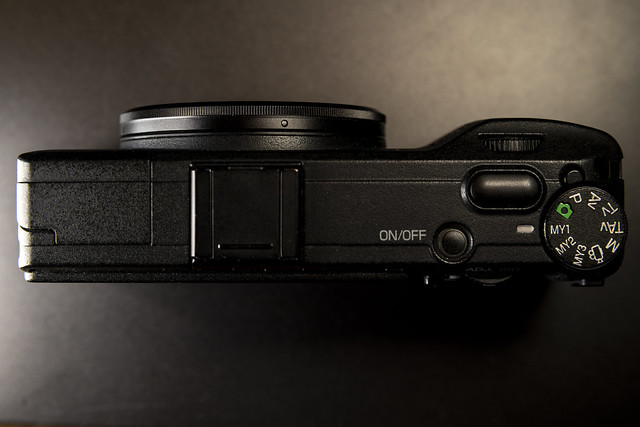


Build
Despite its magnesium build, it does not look fancy, which is good out and about actually, but it feels sturdy and is extremely light. The GR’s pop up flash…
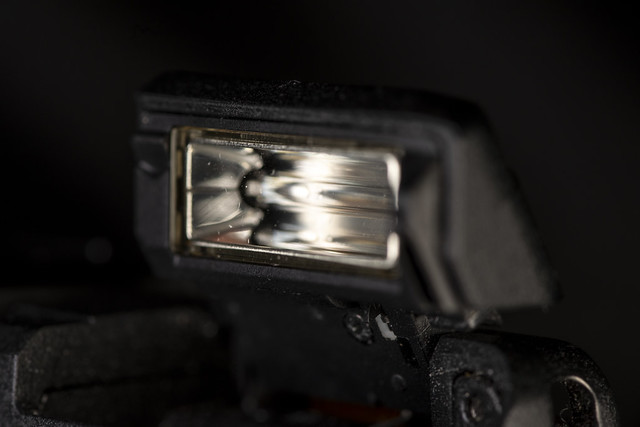
…feels much more robust than the fragile feeling extended flip up affair of the RX100 IV.
Ergonomics
I made my peace with Sony’s controls and menus but I will still admit that when I step outside of my more common adjustments that I have not assigned a button to and you might see me staring at the back of the camera for a bit. Not so with the GR. After a little time, I could quickly adjust anything. On top of that most anything can be adjusted with one hand. Also they let you change nearly anything. Even whether you want to button around the power button to light up or not.
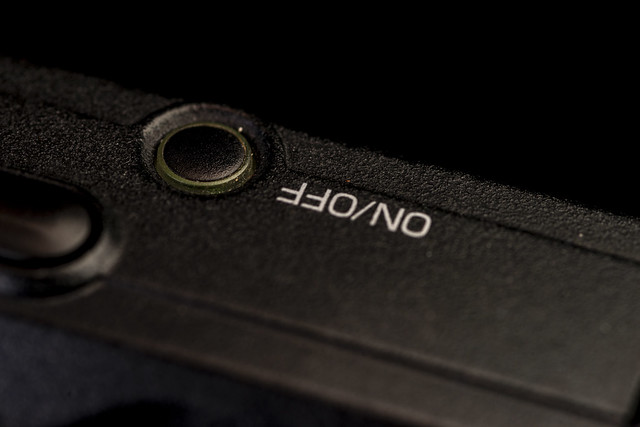
Flash switch.

All the dials and switches you could want are well placed on such a small body.
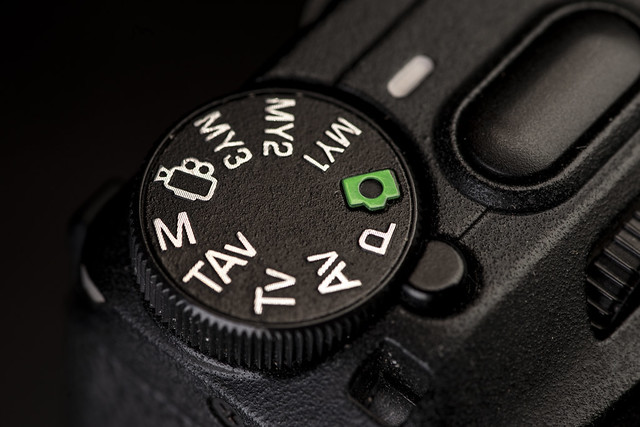


Macro

One button press and you are good to go. While not true macro it does let you focus quite closely. And in Program mode, it switches to macro mode automatically.
Effect Profiles

They are wonderful, but I quickly settled into two. High Contrast B&W (Set to -1 contrast for personal taste.)…

…and the mode it stays in 90% of the time, Positive Film. Why no sample here? Well, a bit of honesty is in order. I shoot this camera in RAW like I do most any other camera when not using a B&W profile. And the RAW files are lovely.

Snap Focus
It took me a minute to get my head around this, but it is actually straightforward once I referred to it by its real name. Zone focus. It is just that simple. And this I am familiar with. One of my favorite film photos was taken using zone focus.

And here it could not be easier. I set Fn2 to toggle snap focus on and off and set Fn1 to adjust the distance.

Adjust the aperture to increase the zone based on the situation in good light and you are good. And that is not even the most brilliant part. It is effectively always available. Hard press that shutter button all the way and the GR defaults to the preset snap focus distance. I say again, snap focus/zone focus is always available to you instantly on demand with AF still available.
IQ
Last but not least this sensor and lens are capable of creating fantastic images. Sharp images with great colors, Also manages to create a decent bit of bokeh at close distances.
Now for the “Why not?” list.
Why not the Sony ZV-1 mentioned above?

Capable. Ridiculously so for such a small camera. But…
- I prefer a prime for my everyday camera.
- A flip out screen is less than inconspicuous no matter how small the camera is.
- An overachieving 1″ sensor is still a 1″ sensor.
- This is a video star and I am a stills guy.
Great camera. But as a result, I rarely used it. Can’t have that so it moved on.
Why not the Fujifilm X100S mentioned above?
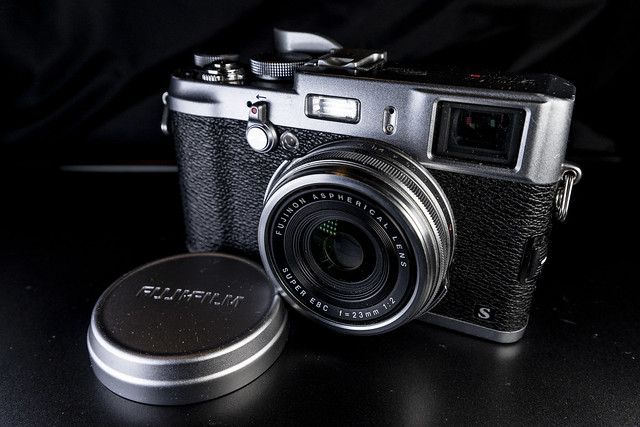
A gorgeous thing. But…
- I enjoyed looking at it more than using it.
- While all in one its size rivaled my A7c.
Great camera. But I rarely used it. Can’t have that so it moved on.
Why not a newer GR?
In alignment with the title of this post I like vintage digital cameras. The first thing I look at in any camera lineage is what is the oldest model I could make do with. Film GR’s are fragile I hear. GR digital models before it have tiny sensors. And for the newer models:
GR II
- The addition of WiFi is not worth the added price to me.
GR III
- IBIS and more MP seem a no brainer on paper, but I wondered if I could make do without them while keeping quite a few hundred dollars in my pocket and I could.
GR IIIx
- Same as above even with a tempting longer focal length.
Sum up.
I could go on for a while more, but I will stop myself here.
At the end of the day what you have is the best everyday pocket camera I have ever used.
Next up I will repeat my sum up from my previous post, that I still stand by, followed by samples.
- Snap focus is cuss word awesome.
- Light is this camera’s friend.
- This lens is amazing.
- Macro mode is quite impressive.
- Truly DSLR performance in a tiny package.
Sample images from the first post and then some new ones.












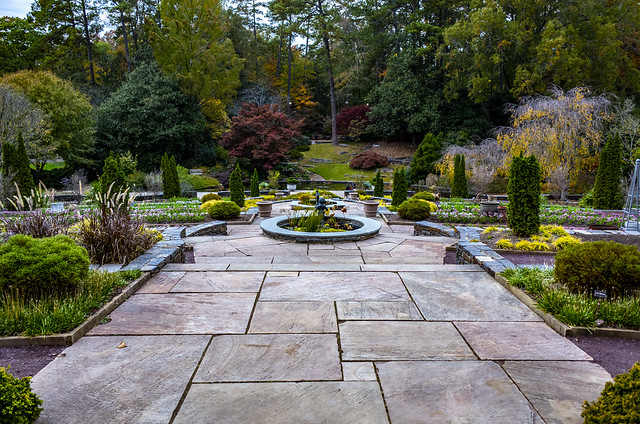




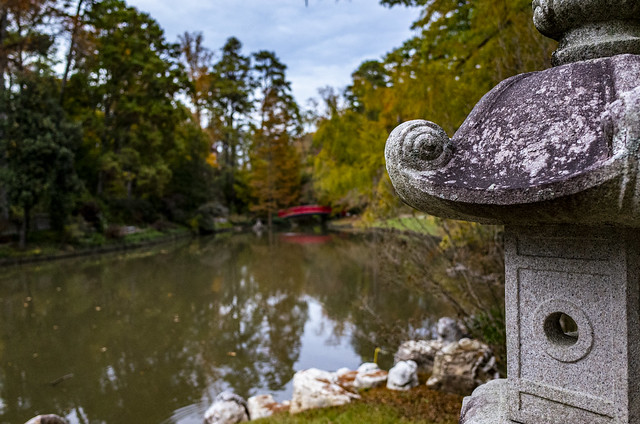


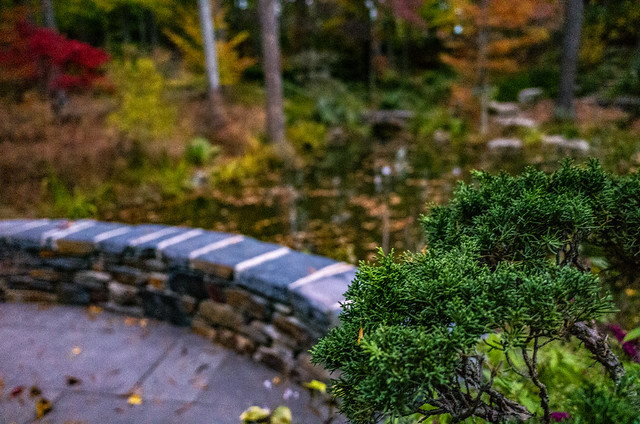



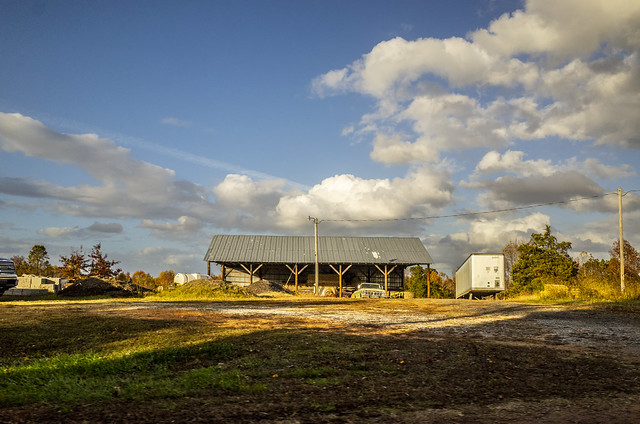
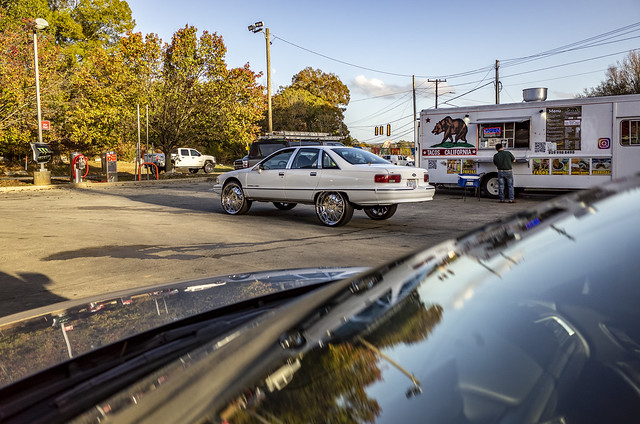


Newer images.

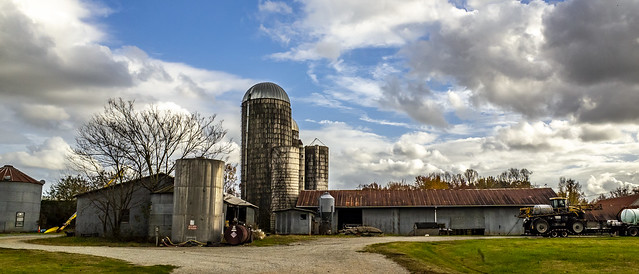


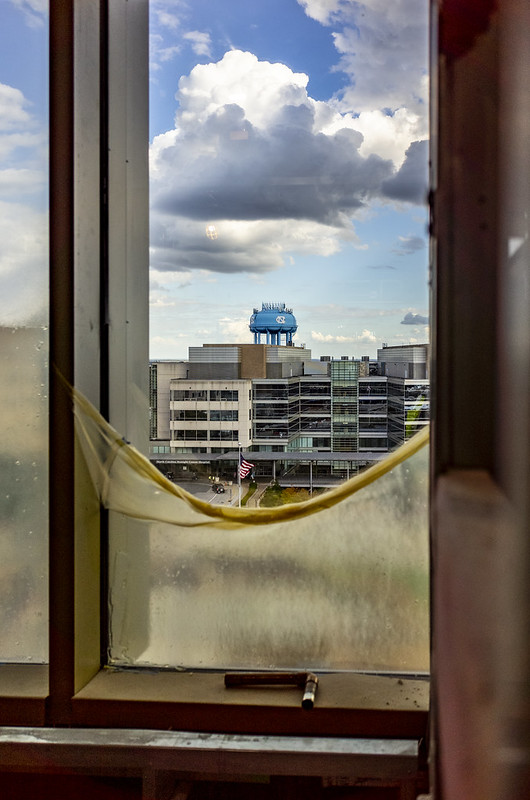

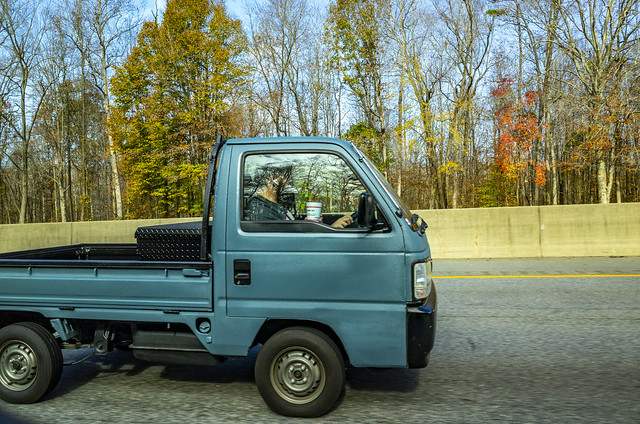





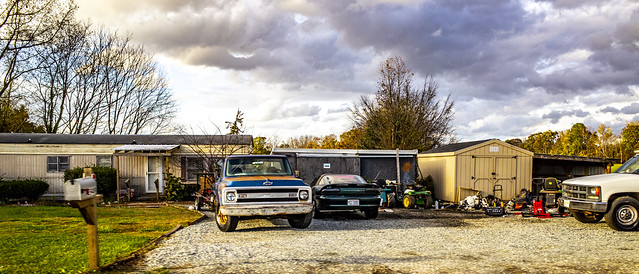






As stated last time:
…no surprise to many it is fully worthy of its fan base.
Happy capturing.
-ELW

 Eric L. Woods
6 Replies to “Vintage Digital Update: RICOH GR… A 2013 camera in 2023.”
Comments are closed.